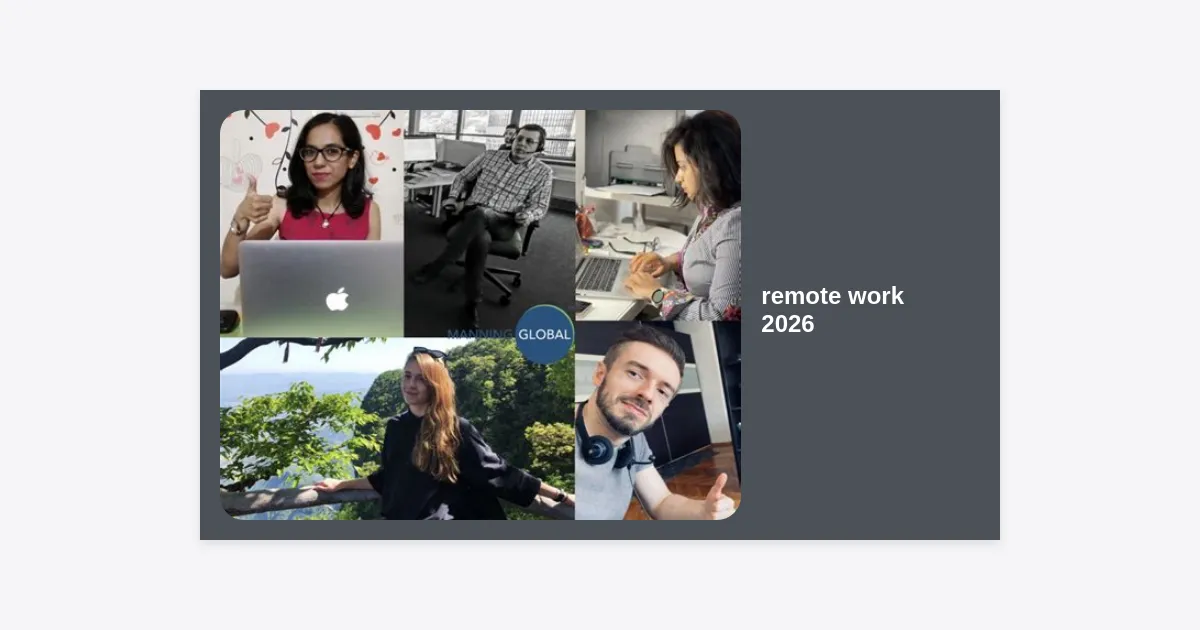
By the time we reach the mid-point of the decade, the landscape of professional engagement will have undergone a radical metamorphosis. If you are still thinking about the “office vs. home” debate in 2020 terms, you are already behind. When we look at the trajectory of remote work 2026, we see a world where physical location is no longer a constraint but a choice supported by a sophisticated digital infrastructure. This isn’t just about working from a laptop on a kitchen table anymore; it is about the total integration of lifestyle and career.
The Evolution: Why Remote Work 2026 is Different
In the early 2020s, remote work was an emergency response. By 2024, it became a point of contention. However, remote work 2026 represents the era of stabilization and optimization. Organizations have moved past the “experimentation” phase and have fully codified their remote operations into their DNA. The focus has shifted from “Can we do this?” to “How can we do this better than an in-person office?”
Statistics suggest that by 2026, over 45% of the global knowledge workforce will engage in some form of permanent remote or highly flexible hybrid model. This shift is driven not just by worker preference, but by the massive overhead savings companies have realized by reducing corporate real estate footprints. The 2026 worker is no longer just a “remote employee”; they are a digital-first professional with the tools to outperform traditional office-bound peers.
AI and Automation: The Engine of 2026 Operations
You cannot discuss remote work 2026 without highlighting the role of Artificial Intelligence. In 2026, AI agents don’t just help you write emails; they manage your calendar, summarize hours of missed meetings into actionable insights, and act as project management intermediaries. These tools bridge the gap between time zones and communication styles.
The Rise of AI Proxies
In 2026, many remote workers use “personal AI proxies.” These are customized models trained on an individual’s workflow and style that can handle routine queries and basic data entry while the worker sleeps. This allows for a 24/7 operational cycle without the need for 24/7 human presence. Remote work 2026 is characterized by humans doing high-level creative and strategic thinking while AI handles the administrative “noise.”
The Rise of Immersion: Virtual Offices and VR
While the early “Metaverse” hype of 2022 faded, it has been replaced by practical, high-fidelity spatial computing by 2026. Augmented Reality (AR) and Virtual Reality (VR) are no longer gimmicks. For remote work 2026, teams use AR glasses to project a collaborative workspace onto their home environment. This solves the “zoom fatigue” problem by creating a shared spatial sense of presence.
- Spatial Audio: Remote meetings now feel like natural conversations where voices come from specific directions, mirroring a real conference room.
- Haptic Feedback: High-end remote setups allow for tactile collaboration, essential for designers and engineers.
- Digital Twins: Companies maintain “digital twin” offices where employees can log in to see who else is “in the room,” fostering spontaneous interactions that were previously lost.
Mastering the Asynchronous Mindset
The hallmark of a successful remote work 2026 environment is the death of the “9-to-5” sync. Top-performing companies have moved toward a 100% asynchronous model. This means that communication does not require an immediate response, allowing employees to work during their peak productivity hours, regardless of their time zone.
“In 2026, the unit of value is the output, not the hour. Managers who cannot measure impact without seeing a green ‘active’ light have been replaced by those who master asynchronous workflows.”
Documentation has become the primary skill. In 2026, if a process isn’t written down in a searchable internal wiki, it doesn’t exist. This transparency reduces silos and empowers individuals to find answers without waiting for a meeting.
Global Nomadism: Legal and Tax Landscapes in 2026
Governments have finally caught up with the reality of remote work 2026. By this year, over 100 countries have established dedicated “Digital Nomad Visas” with standardized tax treaties. This removes the legal gray areas that plagued remote workers in years past.
Employers now utilize Global Employer of Record (EOR) services as a standard part of their HR stack. This allows a company in London to hire a developer in Bali with the same ease as hiring someone from the next street over. The competition for talent is now truly global, which has leveled the playing field for skilled professionals in emerging markets.
The 2026 Remote Work Toolkit
| Category | 2026 Standard Tooling | Purpose |
|---|---|---|
| Project Coordination | AI-Orchestrated Kanban | Auto-assigning and tracking tasks based on load. |
| Communication | Neuro-Adaptive Video Calls | Adjusts lighting and eye contact for natural perception. |
| Hardware | Portable Tri-Screen AR Sets | Lightweight glasses replacing bulky monitor setups. |
| Security | Biometric Zero-Trust Mesh | Ensuring data safety across public and private networks. |
Prioritizing the Human Element: Wellbeing and Isolation
One of the largest risks of remote work 2026 is the erosion of the boundary between home and work life. Without a physical commute, the concept of “leaving the office” is purely psychological. Forward-thinking companies now mandate “Digital Sunset” periods where internal servers restrict access to work apps to prevent burnout.
Mental health support is no longer a perk; it is a core business function. Companies in 2026 often provide stipends for local co-working spaces or “social hubs” where remote workers can go to interact with other humans, even if those people work for different companies. This combats the isolation that was the primary complaint of the 2020-2023 era.
Actionable Guide: Preparing for the 2026 Shift
To thrive in the era of remote work 2026, both employees and employers must take proactive steps today. The following advice is designed to ensure you remain competitive and healthy.
For Professionals:
- Cultivate “Written Excellence”: Your ability to communicate complex ideas clearly in text will be your most valuable asset in an asynchronous world.
- Build a Dedicated Infrastructure: Invest in ergonomic furniture and high-speed satellite internet (like Starlink) to ensure you are never the “lagging” member of the team.
- Niche Down: When the talent pool is global, being a generalist is dangerous. Specialize in high-value skills that are difficult for AI to replicate.
For Employers:
- Shift to Objective-Based Management: Stop tracking hours. Start tracking Key Results (KRs) and deliverables.
- Invest in Culture over Infrastructure: Use the money saved on rent to host quarterly in-person retreats. Human connection is the glue for remote teams.
- Implement Security-First Policies: Remote work 2026 demands a robust cybersecurity strategy that assumes no network is safe.
Conclusion: The Permanent Transformation
The journey toward remote work 2026 has been long and often disruptive, but the destination is a more flexible, egalitarian, and efficient way of working. We have moved from the “World of Work” being a place you go, to a state of being you enter through your devices.
Key Takeaways:
- Remote work 2026 is driven by AI optimization and immersive technology.
- Asynchronous communication is the standard for high-performing global teams.
- Legal frameworks now support global mobility, making “Digital Nomadism” a mainstream career choice.
- Mental health and intentional social connection are essential to long-term remote success.
Whether you are a freelancer, a CEO, or a middle manager, the tools and strategies of 2026 are available for implementation today. Don’t wait for the future to happen to you—build your remote work 2026 workflow now to stay ahead of the curve.