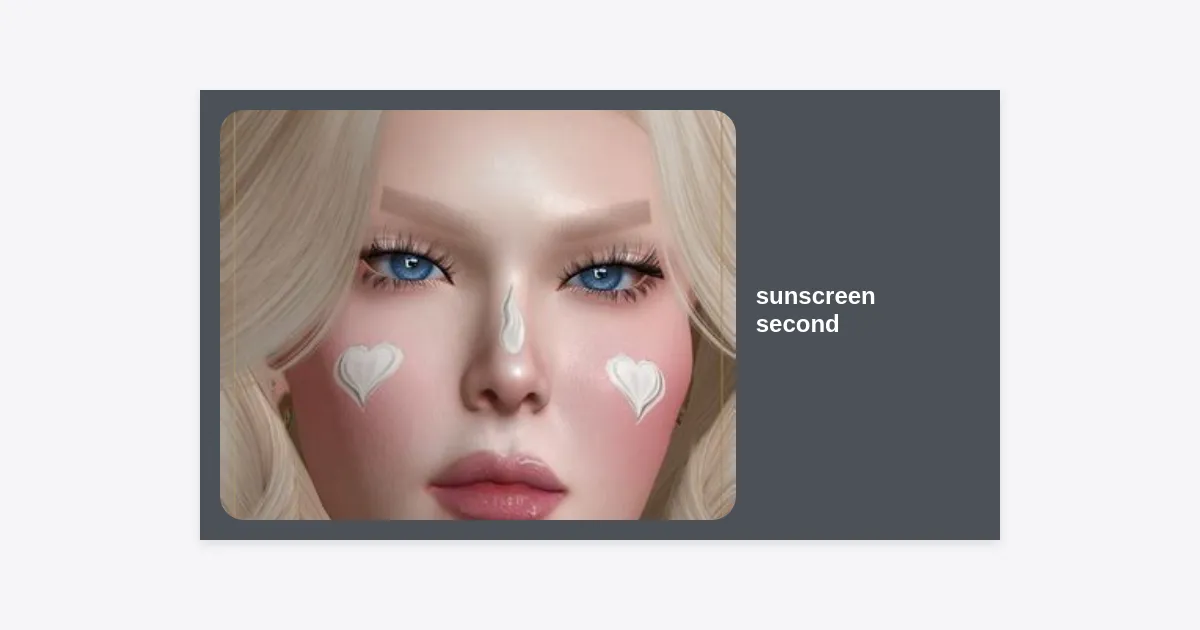
Most people believe that applying SPF once in the morning is enough to shield them from the sun’s harsh rays. However, the order of application and the frequency of reapplication are the two most critical factors in preventing premature aging and skin cancer.
When it comes to your morning skincare routine, the sequence of products can be the difference between glowing health and unexpected sun damage. A common question that arises among skincare enthusiasts and dermatologists alike is whether you should apply your sunscreen second, after your moisturizer, or if it belongs at the very beginning of your regimen. Understanding the chemistry behind sun protection is essential for anyone looking to maintain a youthful complexion and healthy skin.
In this comprehensive guide, we will explore the science of layering, why the “sunscreen second” approach is often debated, and how to ensure you are getting the full SPF rating promised on the bottle. Whether you are a skincare minimalist or have a ten-step routine, these insights will help you optimize your defense against UV radiation.
Table of Contents
- Why the Order of Application Matters
- The Debate: Sunscreen Second or First?
- Chemical vs. Mineral: Different Rules for Different Filters
- The “Sunscreen Second” Rule in Makeup Routines
- The Critical Second Application: Why One Layer Isn’t Enough
- Common Mistakes When Applying Sunscreen
- Maximizing Protection with Bulk Supplies
- Frequently Asked Questions
- Conclusion: Your Daily Protocol
Why the Order of Application Matters
The efficacy of any skincare product depends heavily on its ability to interact with the skin. If you apply a thick, occlusive oil and then try to put a water-based serum on top, the serum will simply sit on the surface without being absorbed. Sunscreen operates under a similar set of rules, but with an added layer of complexity: it needs to form a uniform, undisturbed film over the skin to be effective.
Applying your sunscreen second (specifically after your moisturizer) is generally the standard recommendation. This is because moisturizers are designed to hydrate the skin and soften the stratum corneum. If you apply moisturizer over your sunscreen, you risk diluting the SPF formula or creating streaks in the protective film, leaving sections of your skin vulnerable to UV penetration.
Research suggests that a significant percentage of the population only applies 25% to 50% of the recommended amount of sunscreen. By understanding the correct order, you ensure that the amount you do apply works at its maximum capacity.
The Debate: Sunscreen Second or First?
The controversy often stems from the type of sunscreen being used. There are two primary categories: chemical (organic) filters and physical (inorganic) filters. Each interacts with the skin and other products differently.
The Case for Putting Sunscreen Second
Most dermatologists agree that sunscreen should be the final step of your skincare routine but the first step of your makeup routine. By putting sunscreen second to your moisturizer, you allow the hydrating ingredients to sink in first. This creates a smooth canvas for the sunscreen to adhere to. When sunscreen is applied last in the skincare chain, it acts as a literal shield, sitting on top of the other products and facing the sun directly.
Potential Downsides to Incorrect Sequencing
- Dilution: Mixing sunscreen with moisturizer in your palm before application can lower the SPF significantly.
- Instability: Some ingredients in moisturizers can break down chemical UV filters if applied simultaneously.
- Patchiness: Rubbing cream over a set layer of sunscreen can cause “pilling,” where the sunscreen rolls off in small flakes.
Chemical vs. Mineral: Different Rules for Different Filters
The “sunscreen second” rule can vary slightly depending on the active ingredients. Chemical sunscreens contain ingredients like avobenzone or oxybenzone, which need to be absorbed into the skin to convert UV rays into heat. Some argue these should go on bare skin. However, modern formulations are quite robust, and applying them over a fully absorbed lightweight moisturizer is perfectly fine.
Mineral sunscreens, containing zinc oxide or titanium dioxide, are physical blockers. They sit on top of the skin and reflect UV rays. For these, the sunscreen second rule is non-negotiable. They must be the outermost layer of your skincare to reflect light effectively before it touches your dermal layers.
The “Sunscreen Second” Rule in Makeup Routines
For those who wear cosmetics, the sequence usually looks like this: Moisturizer, Sunscreen second, and then Foundation/Concealer. To achieve the best results without compromising your look:
- Apply your moisturizer and wait 2-3 minutes for it to dry.
- Apply a generous amount of sunscreen (about a nickel-sized amount for the face).
- Wait at least 5 to 10 minutes for the sunscreen to “set.” This allows the film-forming agents to lock into place.
- Apply makeup using a dabbing motion (stippling) rather than a dragging motion to avoid disturbing the SPF underneath.
The Critical Second Application: Why One Layer Isn’t Enough
While the morning application is vital, the importance of the sunscreen second application—the one that happens two hours later—cannot be overstated. UV filters break down when exposed to light, and our skin’s natural oils and sweat can cause the protective layer to shift or wear off.
Statistically, most sunburns occur not because people didn’t apply sunscreen at all, but because they failed to apply a second time. According to the Skin Cancer Foundation, you should reapply every two hours, or immediately after swimming or sweating.
How to Reapply Over Makeup
Many people skip the necessary second application because they don’t want to ruin their makeup. Here are some pro tips:
- SPF Powders: Great for touch-ups and reducing shine throughout the day.
- SPF Mists: Can be sprayed over the face, though you must ensure adequate coverage.
- Cushion Compacts: You can load a clean sponge with liquid sunscreen and dab it over your makeup.
Common Mistakes When Applying Sunscreen
Even if you are applying sunscreen second, you might be making these common errors:
- Forgetting the Ears and Neck: These areas are frequently missed and are prime spots for skin cancer.
- Using Expired Product: UV filters lose their potency over time. Always check the expiration date.
- Applying Too Thinly: To get the SPF 30 or 50 on the label, you need to use a significant amount. A thin smear isn’t enough.
- Relying Only on Makeup with SPF: You would need to apply seven times the normal amount of foundation to get the SPF listed on its bottle. Always use a dedicated sunscreen.
Maximizing Protection with Bulk Supplies
One of the biggest barriers to proper sunscreen use is the cost and the fear of running out. This is where the general bulk 1 approach comes into play. Buying sunscreen in bulk or larger containers ensures that you aren’t “saving” product by using less than you should.
When you have a large supply, you are more likely to apply the correct amount to your face, neck, arms, and hands. It also makes it easier to keep a bottle in the car, one in your bag, and one at your desk, ensuring you never miss that crucial second application of the day.
Frequently Asked Questions
Can I mix sunscreen with my foundation?
No. Mixing sunscreen with other products alters the formula’s chemistry and can cause the UV filters to cluster, leaving “holes” in your protection. Always layer, never mix.
Does SPF 30 plus SPF 15 equal SPF 45?
Unfortunately, no. SPF does not add up. You are only protected by the highest SPF factor you have applied, and even then, only if you’ve applied it correctly.
What if my moisturizer has SPF?
If your moisturizer has SPF 30 or higher and you apply a generous amount, it can serve as your primary sunscreen. However, most people don’t apply enough moisturizer to reach that protection level, so a dedicated sunscreen second layer is still recommended.
Conclusion: Your Daily Protocol
Mastering the “sunscreen second” technique is a simple yet powerful way to upgrade your skincare. Remember that the first application in the morning is just the starting line; the second application later in the day is what carries you through to the finish.
Key Takeaways:
- Always apply sunscreen after your moisturizer has fully dried.
- Give sunscreen time to “set” before applying makeup.
- Never mix SPF with other products.
- Reapply every two hours, regardless of the initial SPF rating.
- Utilize bulk options to ensure you never have to skimp on protection.
By following these guidelines and maintaining a consistent routine, you can enjoy the sun safely while keeping your skin looking its best for years to come. Don’t let your skincare efforts go to waste—place your sunscreen second in your routine, but first in your priorities.