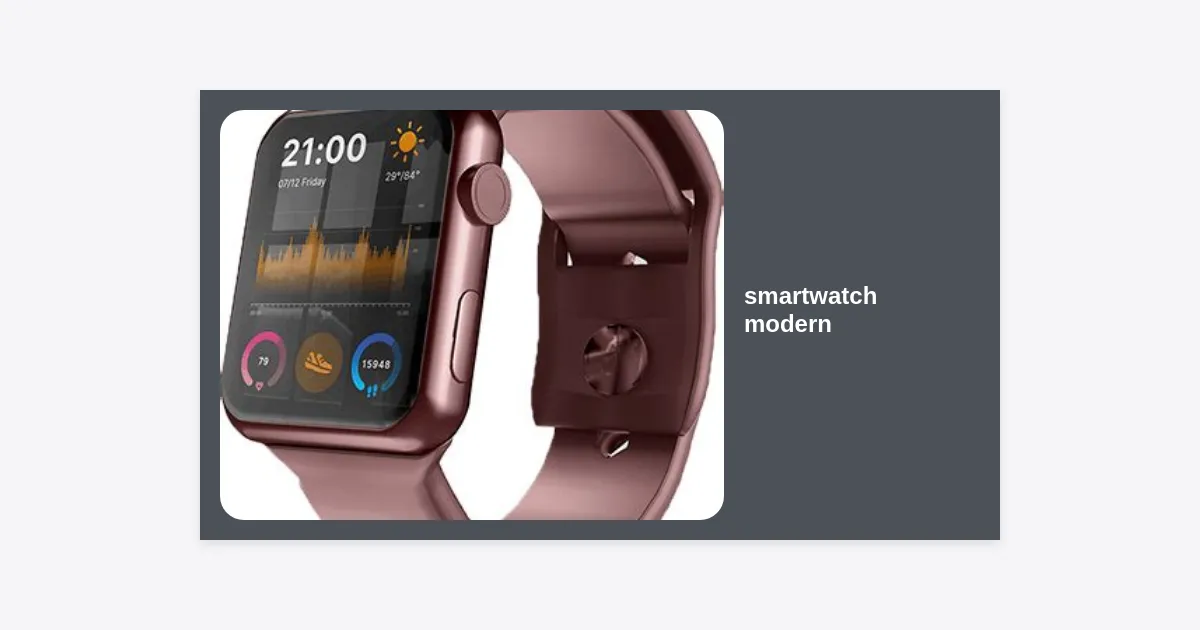
In an era where time is our most precious commodity, the smartwatch modern has evolved from a simple notification hub into an indispensable companion for health, productivity, and personal expression. Whether you are a marathon runner tracking VO2 max or a busy professional managing a schedule on the go, finding the right wearable technology is essential. A smartwatch modern utility extends far beyond telling time; it bridges the gap between your digital life and your physical wellbeing.
- The Evolution of the Smartwatch Modern
- Core Features of a Modern Smartwatch
- Health and Wellness Monitoring
- Design and Aesthetics: Form Meets Function
- Operating Systems and Ecosystem Compatibility
- Battery Life and Charging Innovations
- Buyer’s Guide: How to Choose Your Device
- The Future of Wearable Technology
- Final Thoughts and Recommendations
The Evolution of the Smartwatch Modern
The journey of the smartwatch modern didn’t happen overnight. It began with digital watches in the 1970s that could perform basic calculations and has transformed into the high-powered wrist computers we see today. Initially, these devices were criticized for their bulky designs and limited battery life. However, technological leaps in miniaturized semiconductors and sensor technology have turned the tide.
Today, a smartwatch modern consumer expects elegance alongside power. According to market research, the global smartwatch market size was valued at over USD 30 billion in recent years and is projected to grow significantly as sensors become more accurate. This growth is driven by the integration of AI, better cellular connectivity, and a shift toward health-centric features that can literally save lives by detecting heart irregularities or falls.
“The smartwatch has transitioned from a luxury tech toy to a critical healthcare and productivity tool that provides actionable data in real-time.”
Core Features of a Modern Smartwatch
When searching for a smartwatch modern enthusiasts should look for several core components that define the current generation of wearables. These features ensure that the device remains useful for years to come rather than becoming obsolete within a few months.
1. Always-On Displays (AOD)
One of the most requested features in any smartwatch modern lineup is the Always-On Display. Older smartwatches required a flick of the wrist to wake the screen, which could be unreliable. Modern OLED and AMOLED panels allow the watch to display the time and critical complications at a low brightness and refresh rate without significantly draining the battery.
2. Water Resistance and Durability
Durability is no longer optional. A smartwatch modern should possess at least an IP68 or 5ATM rating, allowing users to swim, shower, and sweat without fear of damaging the internals. High-end models often utilize sapphire crystal glass and titanium casings to resist scratches and impacts during outdoor activities.
3. Cellular Connectivity (LTE/4G)
The ability to leave your phone at home while staying connected is a hallmark of the smartwatch modern experience. With an eSIM, your watch can make calls, send texts, and stream music independently, providing a sense of freedom during workouts or quick errands.
Health and Wellness Monitoring
In the current landscape, the most compelling reason to own a smartwatch modern is health tracking. We are no longer just counting steps; we are monitoring complex biological markers that were once only accessible in a clinical setting.
- Optical Heart Rate Sensors: These monitor your pulse 24/7, providing data on resting heart rate and recovery times.
- ECG (Electrocardiogram): Many high-end devices can detect signs of Atrial Fibrillation (AFib), a common heart rhythm irregularity.
- Blood Oxygen (SpO2): Monitoring oxygen saturation is vital for understanding respiratory health and sleep quality.
- Sleep Tracking: By analyzing movement and heart rate, a smartwatch modern can break down your sleep into light, deep, and REM cycles.
- Stress Management: Using Galvanic Skin Response (GSR) or Heart Rate Variability (HRV), devices can suggest breathing exercises when they detect high stress levels.
Practical Advice: If you are using your smartwatch modern for health, ensure you wear it snugly but comfortably. A loose fit can result in “noise” in the sensor data, leading to inaccurate heart rate readings during intense exercise.
Design and Aesthetics: Form Meets Function
The aesthetic appeal of a smartwatch modern is just as important as its software. Because it is a piece of jewelry as much as it is a gadget, manufacturers offer a wide variety of styles. From the square, iconic look of the Apple Watch to the traditional circular design of the Samsung Galaxy Watch or Garmin series, there is a shape for every wrist.
Customization is the keyword here. Users can swap silicone sport bands for leather straps or stainless steel links in seconds. This versatility allows a single smartwatch modern to transition from a morning gym session to a formal evening gala without looking out of place.
Operating Systems and Ecosystem Compatibility
Choosing a smartwatch modern often depends on which smartphone you already own. The “ecosystem” effect is real, and compatibility should be your first check before purchasing.
- watchOS: Exclusive to iPhone users, it offers the most seamless integration with Apple services.
- Wear OS by Google: The standard for Android users, featuring Google Assistant, Maps, and a wide array of third-party apps.
- Proprietary OS (Garmin, Fitbit): These prioritize battery life and specific fitness metrics over broad app stores, often compatible with both iOS and Android.
Battery Life and Charging Innovations
The “Achilles’ heel” of any smartwatch modern has traditionally been battery life. However, we are seeing significant improvements. While high-performance watches typically last 18-36 hours, many fitness-focused smartwatch modern models can now last 7 to 14 days on a single charge.
Fast charging is also becoming standard. Being able to get an 80% charge in just 30 minutes means you can wear the watch all day, charge it while you shower, and wear it again for sleep tracking without missing a beat.
Buyer’s Guide: How to Choose Your Device
To help you decide, we have created a comparison of the different smartwatch modern categories available today:
| Category | Target User | Key Benefit |
|---|---|---|
| General Productivity | Professionals/Casual Users | Seamless notifications & apps |
| Fitness Enthusiast | Athletes/Gym-goers | Detailed recovery & training data |
| Budget Conscious | Students/First-time buyers | Essential tracking at low cost |
| Luxury & Lifestyle | Fashion-forward users | Premium materials & brand status |
Before purchasing your smartwatch modern, ask yourself these three questions:
- What is my primary goal (Fitness, Connectivity, or Style)?
- Does this device support my phone’s operating system?
- Am I comfortable charging this device daily, or do I need weekly battery life?
The Future of Wearable Technology
What is next for the smartwatch modern? We are looking at a future where non-invasive glucose monitoring could revolutionize diabetes management. Furthermore, the integration of Generative AI will allow your watch to act as a personal coach, analyzing your data to give you spoken advice on when to push harder in a workout or when to take a rest day based on your physiological stress levels.
Sustainability is also becoming a core focus. Many brands are now using 100% recycled aluminum and low-carbon manufacturing processes to create the smartwatch modern of tomorrow, appealing to the eco-conscious consumer.
Final Thoughts and Recommendations
In conclusion, a smartwatch modern is no longer just an accessory; it is a powerful tool for self-improvement and efficiency. By prioritizing the features that matter most to your lifestyle—whether that’s advanced heart monitoring, rugged durability, or sleek aesthetic design—you can find a device that enhances every aspect of your day.
Key Takeaways:
- Ensure ecosystem compatibility (iOS vs. Android) before buying.
- Focus on health sensors if wellness is your primary goal.
- Consider battery life needs based on your daily routine.
- Don’t overlook the importance of strap comfort and screen visibility.
Ready to upgrade your wrist game? Explore the latest smartwatch modern options and take control of your health and digital life today. The future of technology isn’t just in your pocket—it’s on your arm.