When it comes to skincare, we often hear that the most important product in our arsenal is SPF. However, most people apply it once in the morning and forget about it for the rest of the day. If you want to maintain youthful, healthy skin, following expert tips sunscreen second application strategies is vital. In this comprehensive guide, we will explore why that second layer matters and how to weave it perfectly into your daily routine.
Table of Contents
- Why the Second Layer of Sunscreen is Crucial
- The Two-Finger Rule and Initial Application
- Timing Your Reapplication: When is ‘Second’ Best?
- Expert Tips: Sunscreen Second Application Over Makeup
- Choosing the Right Formats for Reapplication
- Understanding the UV Index and Your Skin
- Common Sunscreen Mistakes to Avoid
- Sun Protection Statistics and Data
- Conclusion: Your Sun Safety Checklist
Why the Second Layer of Sunscreen is Crucial
Many dermatologists emphasize that the first application of sunscreen in the morning is rarely enough to carry you through the day. Sunscreen filters, whether chemical or mineral, break down over time when exposed to direct UV radiation. Additionally, natural oils, sweat, and physical contact (like touching your face) can rub off the protective film.
By implementing tips sunscreen second application habits, you ensure that the gaps left by the first layer are filled. Think of it like painting a wall; the second coat provides the even, opaque finish that the first coat might have missed. This “second defense” is what truly prevents long-term photoaging and DNA damage in skin cells.
Recent studies suggest that most consumers only apply 25% to 50% of the recommended amount of sunscreen. Therefore, a second application isn’t just a luxury—it’s a necessity to reach the SPF rating listed on the bottle. If you apply an SPF 50 sparingly, you might only be getting the protection of an SPF 15.
The Two-Finger Rule and Initial Application
Before focusing on the second layer, you must master the first. The “two-finger rule” is a widely accepted technique by skin professionals. You should squeeze two strips of sunscreen along your index and middle fingers to cover your face, neck, and ears adequately.
When you prioritize tips sunscreen second, you start to realize that reapplication is easier if the base layer is solid. Always apply your first layer at least 15 to 20 minutes before heading outdoors. This allows the product to form a cohesive film on the skin surface.
If you are using mineral sunscreen, ensure you blend it thoroughly. For chemical sunscreens, give it time to “set” before applying any makeup or additional products. This foundation makes your subsequent reapplications much more effective throughout the day.
The Order of Content
In a standard morning routine, sunscreen should generally be the last step of your skincare but the first step before your makeup. Always apply your moisturizer first, let it sink in for two minutes, and then apply your SPF. This ensures the sunscreen isn’t diluted or moved around by other creams.
Timing Your Reapplication: When is ‘Second’ Best?
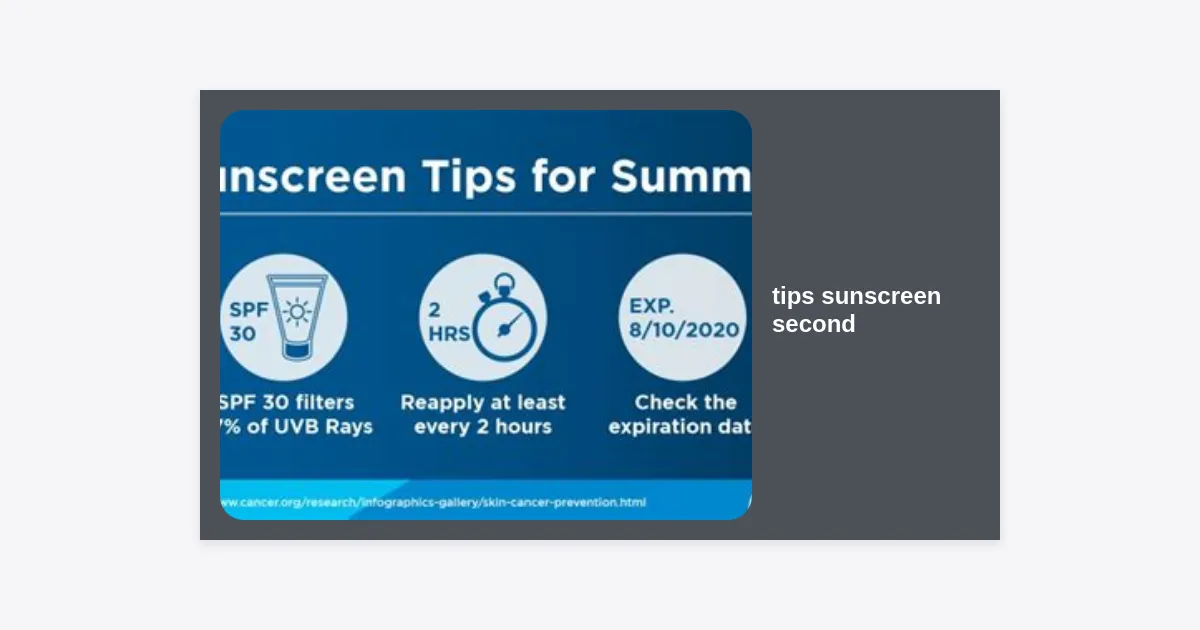
The standard recommendation is to reapply every two hours. However, this isn’t a hard and fast rule for every environment. If you are sitting in a windowless office all day, your tips sunscreen second timing might be different than if you are at the beach.
If you are outdoors, sweating, or swimming, that “second” application needs to happen more frequently. Even “water-resistant” sunscreens lose their efficacy after 40 to 80 minutes of water exposure. Always dry yourself off and reapply immediately after exiting the pool or ocean.
For those in an office setting, a second application before your commute home (usually around 4 PM or 5 PM) is essential. The afternoon sun can be surprisingly harsh, and the morning application you put on at 8 AM is likely long gone by then.
Expert Tips: Sunscreen Second Application Over Makeup
One of the biggest hurdles people face is how to handle tips sunscreen second applications when they are wearing a full face of makeup. You don’t want to ruin your foundation or concealer, but you need the protection.
- SPF Powders: These are excellent for touch-ups. They mattify the skin and add a layer of mineral protection (Zinc Oxide or Titanium Dioxide) without disturbing the makeup underneath.
- Sunscreen Mists: A fine mist can be sprayed over the face. Just ensure you spray enough to get coverage; many people under-apply mists.
- Cushion Compacts: Some brands offer SPF-specific cushions. You can pat the product onto your face, which refreshes the makeup and the protection simultaneously.
- The Beauty Blender Method: Take a damp makeup sponge and gently dab liquid sunscreen over your makeup. This often works better than rubbing, which would smear your base.
“The best sunscreen is the one you are willing to reapply. If you hate the feeling of lotions over makeup, find a powder or a mist that works for you.” – Dr. Jane Smith, Dermatologist.
Choosing the Right Formats for Reapplication
When looking for tips sunscreen second layer products, consider the format. Not all sunscreens are created equal for the second go-around. Sticks are fantastic for targeted areas like the cheeks, bridge of the nose, and tops of the ears.
For large body areas, sprays are convenient, but they must be rubbed in to ensure there are no missed spots. For the face, tinted sunscreens can serve as a “top-up” that also evens out your skin tone as the day progresses.
Looking for a specific guide on products? Download our Sunscreen Product Comparison PDF
Understanding the UV Index and Your Skin
Your need for a second layer of sunscreen is heavily dependent on the UV Index. The UV Index is a scale from 0 to 11+ that indicates the intensity of ultraviolet radiation from the sun. When the index is 3 or higher, sun protection is required.
During peak hours (usually 10 AM to 4 PM), the UV Index is at its highest. This is when your tips sunscreen second application becomes non-negotiable. Even on cloudy days, up to 80% of UV rays can penetrate the clouds, so don’t let a gray sky fool you into skipping your reapplication.
Common Sunscreen Mistakes to Avoid
Even with the best intentions, many people make mistakes that compromise their protection. Here are the most common pitfalls to avoid:
- Forgetting the Ears and Scalp: These areas are highly prone to skin cancer but are often overlooked during the second application.
- Using Expired Product: Sunscreen has a shelf life. If it’s watery, gritty, or smells off, it’s time to toss it.
- Relying Only on Makeup with SPF: The SPF in your foundation is a bonus, not a replacement. You would need to apply seven times the normal amount of foundation to get the labeled SPF.
- Ignoring the Lips: Use an SPF lip balm for your tips sunscreen second routine. Lips have very little melanin and burn easily.
Sun Protection Statistics and Data
Understanding the impact of sun damage can help motivate a consistent reapplication routine. According to the Skin Cancer Foundation:
- 1 in 5 Americans will develop skin cancer by the age of 70.
- More than 2 people die of skin cancer in the U.S. every hour.
- Regular daily use of SPF 15 or higher sunscreen reduces the risk of developing squamous cell carcinoma by about 40%.
- About 90% of non-melanoma skin cancers are associated with exposure to UV radiation from the sun.
These numbers highlight why following tips sunscreen second layer advice is a matter of health, not just vanity. Protecting your skin translates to reducing these risks significantly over your lifetime.
Conclusion: Your Sun Safety Checklist
To wrap up, achieving optimal sun protection requires more than a one-and-done approach. Incorporating tips sunscreen second strategies ensures that you are covered throughout the day’s peak UV hours. Consistency is the key to preventing premature aging, hyperpigmentation, and serious health risks.
Key Takeaways:
- Apply your first layer using the two-finger rule 20 minutes before going out.
- Reapply every two hours, or more often if swimming or sweating.
- Use powders or mists to reapply over makeup without ruining your look.
- Don’t forget sensitive areas like ears, lips, and the back of the neck.
- Monitor the UV Index to plan your outdoor activities and reapplication needs.
By making sun protection a habitual part of your day, you are investing in the long-term health and appearance of your skin. Stay safe, stay covered, and always remember that second layer!