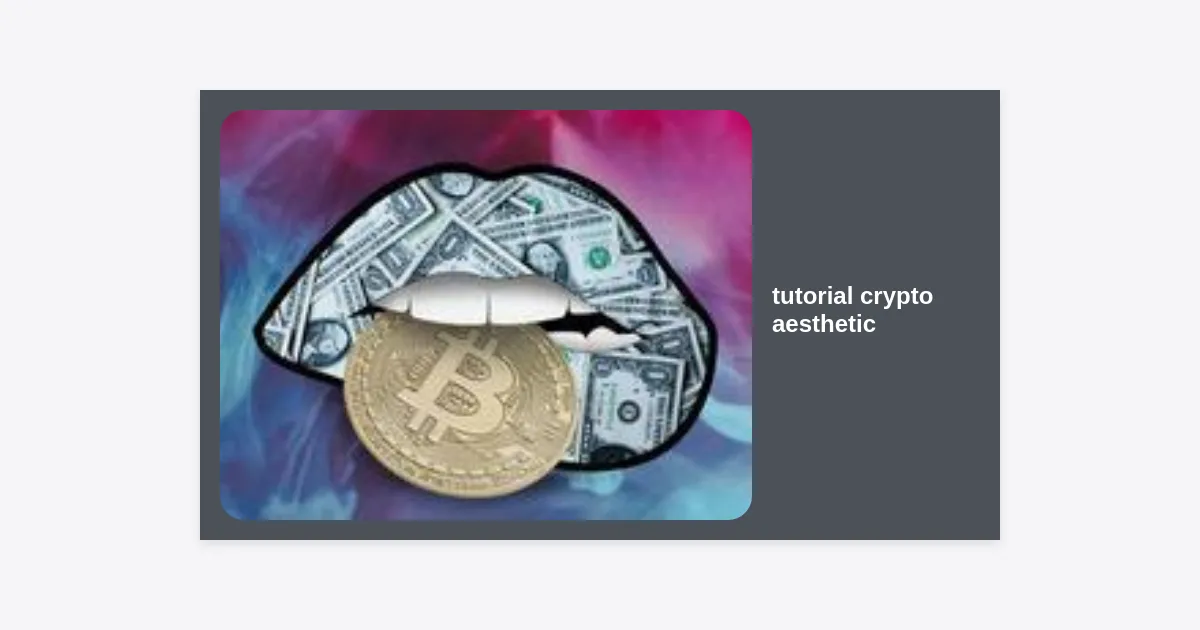
In the fast-paced world of blockchain, your visual identity is often the first handshake you have with your community. Whether you are a solo trader, an NFT artist, or a budding DeFi developer, understanding the tutorial crypto aesthetic is essential for building trust and standing out in a crowded market. It is not just about neon lights and digital coins anymore; it is about conveying decentralization, security, and the future of finance through sophisticated visual storytelling.
As the industry matures, the “crypto look” has evolved from clunky matrix-style code to high-fidelity 3D renders and sleek, minimalist interfaces. This guide will walk you through everything you need to know to master these trends and create your own unique digital presence.
Table of Contents
- The Evolution of Crypto Aesthetics
- The Core Pillars of the Crypto Aesthetic
- Step-by-Step Tutorial: Creating Your Crypto Aesthetic
- Popular Crypto Styles: From Cypherpunk to Solarpunk
- Essential Tools for Web3 Designers
- Expert Tips for Long-Term Brand Authority
- Conclusion and Next Steps
The Evolution of Crypto Aesthetics
Before diving into our tutorial crypto aesthetic guide, we must understand where we came from. In the early days (2009-2013), crypto visuals were literal. You saw golden physical representations of Bitcoins and dark, Matrix-inspired backgrounds that screamed “underground hacker.”
By 2017, the ICO boom introduced a more corporate “FinTech” look—think deep blues, geometric patterns, and stock photos of people shaking hands over digital globes. Today, we are in the era of high-design Web3. We see a mix of high-fashion editorial layouts, generative art influences, and playful “lo-fi” aesthetics that prioritize community and accessibility.
“Design is not just what it looks like and feels like. Design is how it works. In the context of crypto, design is the bridge between skepticism and adoption.”
The Core Pillars of the Crypto Aesthetic
To master any tutorial crypto aesthetic, you need to understand the fundamental building blocks that make a project look “Web3 native.”
1. The Dominance of Dark Mode
Most crypto enthusiasts spend hours in front of screens analyzing charts. Dark mode isn’t just a style choice; it’s a functional requirement for eye comfort. High-contrast interfaces with deep blacks (#000000) or rich navy blues provide the perfect backdrop for vibrant highlights.
2. Typography and Readability
Typography in crypto usually falls into two categories: Monospaced fonts (representing code/engineering) and Grotesque sans-serifs (representing modern utility). Fonts like Inter, Space Mono, and Roboto are staples in the industry because they feel both technical and approachable.
3. Abstract 3D Elements and Glassmorphism
Modern crypto design utilizes 3D shapes—spheres, tori, and floating cubes—often with a “glassy” or frosted texture. This technique, known as glassmorphism, uses transparency, blur, and light borders to create a sense of depth and “on-chain” transparency.
Step-by-Step Tutorial: Creating Your Crypto Aesthetic
Now, let’s get practical. Follow this tutorial crypto aesthetic workflow to build your visual brand from scratch.
Step 1: Define Your Niche’s Vibe
Not all crypto projects should look the same. Are you building a serious institutional lending protocol? Use muted tones and serif fonts. Are you launching a meme coin or a gaming NFT project? Use saturated neons and chaotic, high-energy layouts.
Step 2: Selecting a Tech-Forward Color Palette
Avoid generic colors. Instead of a standard blue, go for an Electric Cobalt. Instead of a basic green, try a Neon Mint. Use tools like ColorMind.io to find palettes that include high-contrast “call to action” colors against dark backgrounds.
Step 3: Integrating Gradients and Glows
The hallmark of the tutorial crypto aesthetic is the use of “digital glow.” Apply subtle outer glows to buttons and use mesh gradients (multi-color organic gradients) to create backgrounds that feel alive and dynamic.
Popular Crypto Styles: From Cypherpunk to Solarpunk
Depending on your message, you might want to lean into one of these specific sub-aesthetics:
- Cypherpunk: Raw, glitchy, and rebellious. Uses high-contrast black and white with matrix-green accents. Emphasizes privacy and encryption.
- DeFi Corporate: Clean, white-label, and trustworthy. Features plenty of white space, rounded corners, and “safe” blues. Think Uniswap or Aave.
- Solarpunk: A hopeful, eco-friendly take on tech. Uses greens, earth tones, and imagery of nature integrated with hardware. Popular for “Regenerative Finance” (ReFi) projects.
- Vaporwave/Retrofuturism: Uses 80s aesthetics—pinks, purples, and pixel art. Common in the NFT and gaming space to evoke nostalgia.
Visual Impact Statistics
| Design Element | User Perception Increase | Typical Use Case |
|---|---|---|
| Dark Mode Branding | 65% Better Trust Score | Trading Terminals |
| Monospaced Fonts | 40% More “Technical” feel | Developer Tools |
| 3D Abstract Assets | 55% Higher Engagement | Landing Pages |
Essential Tools for Web3 Designers
To execute a flawless tutorial crypto aesthetic, you need the right software stack. You don’t need to be a coding genius, but you do need to understand digital art platforms.
- Figma: The gold standard for UI/UX design. Use it to prototype your apps and create sleek graphics.
- Spline: An approachable 3D tool that allows you to create interactive 3D elements for websites without needing a degree in Blender.
- Midjourney: Great for generating abstract textures and backgrounds that fit the futuristic crypto vibe.
- Adobe After Effects: Essential for adding that “pulsing” or “liquid” animation effect to your logos and banners.
Expert Tips for Long-Term Brand Authority (E-E-A-T)
Creating a beautiful design is only half the battle. To truly succeed in the crypto space, your aesthetic must signal Experience, Expertise, Authoritativeness, and Trustworthiness.
Maintain Consistency: Ensure your Twitter header, your website, and your Discord icons all use the same color profile and font family. Inconsistency in crypto often signals a “rug pull” or a low-effort project.
Focus on Data Visualization: Crypto is data-heavy. If you can make complex charts and on-chain data look beautiful and easy to read, you will immediately be seen as an authority in the space.
Downloadable Design Assets: To help you get started, we have compiled a starter kit of gradients and icons designed specifically for this aesthetic.
Conclusion and Next Steps
Mastering the tutorial crypto aesthetic is a journey of blending technology with art. By focusing on dark modes, high-tech typography, and sleek 3D elements, you can create a brand that resonates with the core values of the Web3 community.
Remember that the best designs are not just pretty; they are functional. Start small by updating your social media profile with a cohesive color palette, and gradually incorporate more complex 3D assets and interactive elements as your brand grows. The future of the internet is decentralized—make sure your brand looks like it belongs there.
Key Takeaways:
- Choose a style (Cypherpunk vs. Solarpunk) that aligns with your project mission.
- Prioritize dark mode and monospaced typography for a technical feel.
- Use 3D elements and glassmorphism to add professional depth.
- Consistency across all platforms is the ultimate signal of trust.