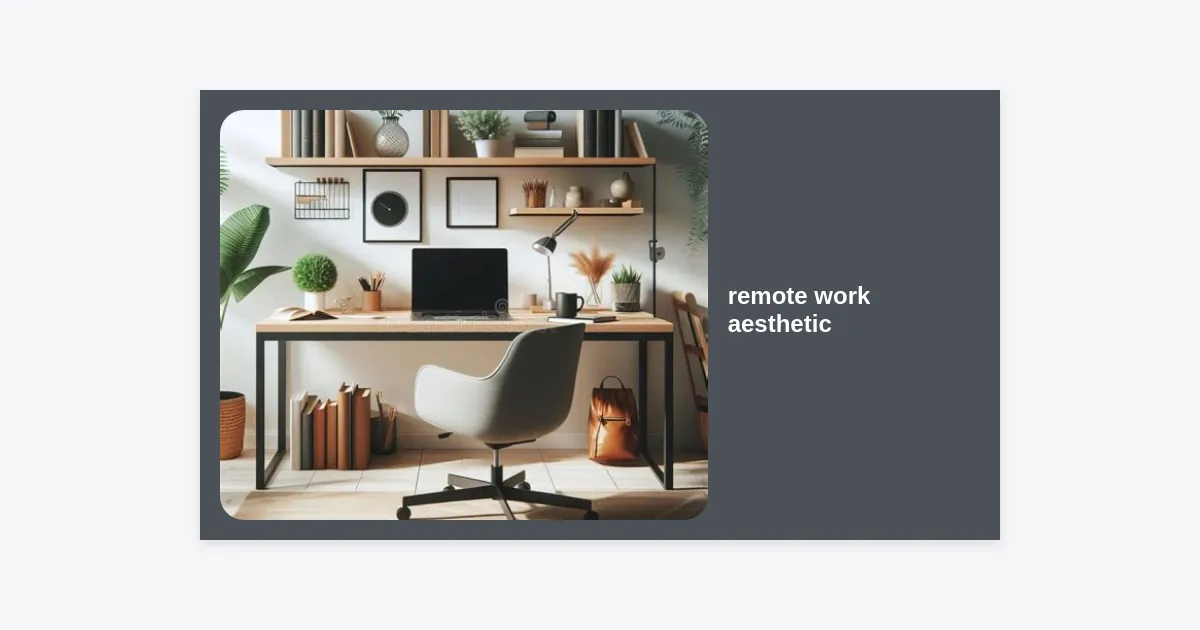
In the modern professional landscape, the environment in which we work has become just as important as the work itself. Creating a cohesive remote work aesthetic is no longer just about vanity or Instagram-worthy photos; it is about crafting a sanctuary that fosters deep focus, prevents burnout, and reflects your personal identity. As millions transition to permanent flexible schedules, the demand for a workspace that balances function with high-end design has skyrocketed.
Whether you are working from a dedicated room or a small corner of your studio apartment, your surroundings profoundly impact your cognitive load. Studies suggest that a cluttered or uninspiring space can lead to increased cortisol levels and decreased creativity. Conversely, a curated remote work aesthetic can act as a mental trigger, telling your brain it is time to perform. In this comprehensive guide, we will explore the psychology of workspace design, the most popular aesthetic movements, and actionable steps to transform your home office into a productivity powerhouse.
Table of Contents
- What is a Remote Work Aesthetic?
- Popular Remote Work Aesthetic Styles
- The Power of Lighting: Beyond the Basics
- Ergonomics Meets Style: Finding the Balance
- Biophilic Design: Bringing Nature Indoors
- Cable Management and Tech Minimalism
- The Psychology of Color in Your Workspace
- Designing on a Budget: High-End Look for Less
- Free Home Office Transformation Checklist
- Conclusion: Your Space, Your Success
What is a Remote Work Aesthetic?
The term remote work aesthetic refers to the intentional visual and functional arrangement of a home workspace. It combines interior design principles with workflow optimization. It is not a one-size-fits-all concept; rather, it is a spectrum of styles that prioritize different psychological needs—some crave the starkness of minimalism, while others find comfort in the richness of a ‘cluttered’ maximalist library.
In the era of video conferencing, your aesthetic also serves as your professional backdrop. It communicates your brand and attention to detail to colleagues and clients alike. However, the most important audience for your remote work aesthetic is you. A space that feels “right” can reduce the friction of starting a difficult task and help you maintain momentum throughout the day.
Popular Remote Work Aesthetic Styles
Choosing a style is the first step in your design journey. Here are the most influential trends dominating the home office world today:
1. Scandinavian Minimalism
Characterized by light woods, neutral color palettes (whites, greys, and beiges), and clean lines. This style focuses on “hygge”—a Danish word for coziness and contentment. It is ideal for those who get easily overwhelmed by visual noise and need a calm, breathable environment to think.
2. Dark Academia
For those who love a moody, intellectual vibe. Think dark wood desks, vintage lamps, stacks of leather-bound books, and deep green or navy walls. This aesthetic fosters a sense of history and deep focus, making it a favorite for writers and researchers.
3. Industrial Modern
This style utilizes raw materials like metal, reclaimed wood, and exposed brick. It feels sturdy and professional. Large windows and Edison bulbs are common features, providing a sophisticated, urban remote work aesthetic that feels grounded and permanent.
4. Pastel Dream / Kawaii
Increasingly popular on social media, this style uses soft pinks, purples, and blues. It often features “cute” peripherals, plush accessories, and RGB lighting. While vibrant, it aims to create a joyful, low-stress environment that breaks the monotony of corporate life.
The Power of Lighting: Beyond the Basics
Lighting is arguably the most critical element of your remote work aesthetic. It dictates your mood, your eye health, and how you appear on camera. You should aim for a layered lighting approach.
First, maximize natural light. Positioning your desk near a window (perpendicular to it to avoid glare) can regulate your circadian rhythm and boost Vitamin D levels. However, natural light is inconsistent. This is where task lighting comes in.
A high-quality desk lamp with adjustable color temperatures is essential. During the morning, use a “cool” blue-toned light (around 5000K) to stimulate alertness. In the evening, switch to a “warm” yellow-toned light (around 2700K) to help your mind wind down. To enhance the overall remote work aesthetic, add accent lighting like LED strips behind your monitor or a soft floor lamp in the corner to create depth and eliminate harsh shadows.
Ergonomics Meets Style: Finding the Balance
A beautiful office is useless if it gives you chronic back pain. The challenge of the remote work aesthetic is integrating ergonomic furniture that doesn’t look like a clinical medical device. Fortunately, the market has responded with designer ergonomic chairs and sleek standing desks.
- The Chair: Look for lumbar support and adjustable armrests. Brands like Herman Miller or Steelcase are gold standards, but many modern “mid-century” style chairs now include hidden ergonomic features.
- The Desk: A sit-stand desk is a game-changer. Look for motorized versions with wood tops (like walnut or bamboo) to maintain a warm aesthetic while providing the health benefits of movement.
- Monitor Height: Your screen should be at eye level. Use a stylish monitor riser—made of wood or aluminum—rather than a stack of random books to keep the remote work aesthetic cohesive.
Biophilic Design: Bringing Nature Indoors
Biophilic design is the practice of connecting a workspace with the natural world. This is a core pillar of a successful remote work aesthetic because it has been scientifically proven to reduce stress and improve cognitive function by up to 15%.
“The simple act of adding greenery to a workspace can increase productivity and improve employee well-being by providing a visual break from digital screens.”
Start with low-maintenance plants like Snake Plants, Pothos, or ZZ Plants. If you have a green thumb, a large Fiddle Leaf Fig can serve as a stunning focal point. Use planters that match your chosen style—terracotta for a Mediterranean vibe, or matte black ceramic for a modern look. If you lack natural light, high-quality silk plants can still provide the psychological “green effect” without the maintenance.
Cable Management and Tech Minimalism
Nothing kills a remote work aesthetic faster than a “spaghetti mess” of cables. Professional-looking setups prioritize cable management. Use under-desk cable trays, magnetic cord clips, and wireless peripherals where possible.
Consider a large felt or faux-leather desk mat. Not only does it protect your desk and provide a smooth surface for your mouse, but it also visually “anchors” your keyboard and monitor, making the setup look intentional. Use matching accessories, such as a dedicated headphone stand and a sleek charging dock for your phone, to minimize desktop clutter.
The Psychology of Color in Your Workspace
The colors you choose for your remote work aesthetic influence your brain’s chemistry. Understanding this can help you tailor your space to your specific job requirements:
- Blue: Known for calming the mind and helping with concentration. Excellent for high-stress roles.
- Yellow: Stimulates creativity and optimism. Great for designers and artists.
- Green: The most restful color for the human eye, promoting long-term focus and endurance.
- Neutral Greys/Whites: Provide a clean slate but can feel “cold” if not balanced with warm textures like wood or fabric.
When selecting a palette, follow the 60-30-10 rule: 60% dominant color (usually walls), 30% secondary color (furniture), and 10% accent color (decor pieces). This creates a balanced, professional remote work aesthetic that doesn’t feel chaotic.
Designing on a Budget: High-End Look for Less
You don’t need a massive budget to achieve a premium remote work aesthetic. Much of the look comes down to intentionality rather than price tags. Here are some pro tips for budget-conscious decorators:
- Thrift and Upcycle: Look for vintage solid wood desks at second-hand stores. A fresh coat of paint or new hardware can transform a $20 find into a statement piece.
- Uniformity is Key: Store office supplies in matching containers. Even cheap jars look expensive when they are all the same style.
- DIY Art: Print high-resolution public domain images from museums and frame them in simple, clean frames.
- Smart Lighting: Cheap RGB strips or smart bulbs can completely change the atmosphere of a room for under $30.
Free Home Office Transformation Checklist
Ready to overhaul your space? We have created a comprehensive PDF checklist to guide you through every stage of your transformation—from choosing a layout to the final decor touches. This guide ensures you don’t miss any critical ergonomic or aesthetic steps.
Conclusion: Your Space, Your Success
Ultimately, a remote work aesthetic is a personal investment in your career and your mental health. By combining ergonomics, thoughtful lighting, and your own unique style, you create a space where you don’t just work—you thrive. Start by decluttering, choose a style that resonates with your personality, and introduce elements of nature and color to keep you inspired.
Key Takeaways:
- Prioritize natural and layered lighting to boost mood and focus.
- Invest in ergonomic furniture that fits your design theme.
- Use cable management to maintain a clean, professional look.
- Incorporate biophilic elements (plants) to reduce stress.
- Match your color palette to the psychological demands of your job.
Your home office is a reflection of your professional standards. Take the time to design a remote work aesthetic that empowers you to do your best work every single day.