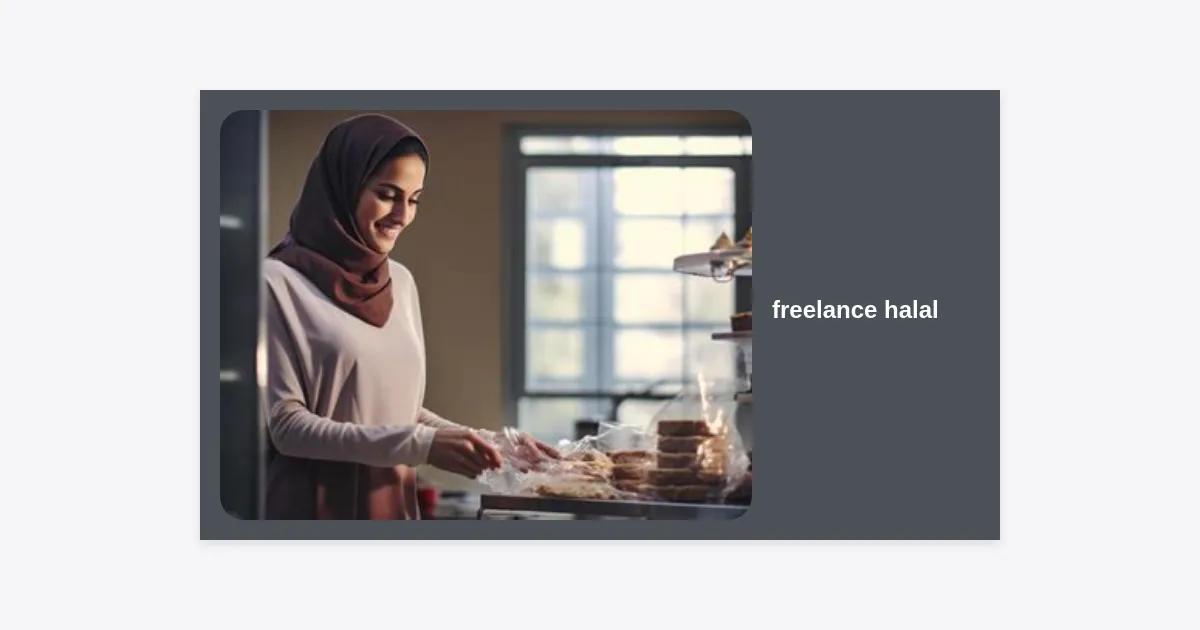
Introduction to Freelance Halal
In today’s digital age, the gig economy is booming, offering unprecedented flexibility and earning potential. For many Muslim professionals, however, joining this global workforce comes with a unique set of questions regarding ethics and religious compliance. Navigating the world of freelance halal work isn’t just about finding a job; it is about ensuring that every dollar earned is pure, ethical, and aligned with Islamic principles.
Whether you are a graphic designer, a software developer, or a digital marketer, the concept of freelance halal covers everything from the clients you choose to the way you structure your contracts. Many freelancers struggle to find clarity on what constitutes permissible work in a landscape often dominated by industries like conventional finance, gambling, or non-permissible entertainment. This guide serves as a comprehensive roadmap to building a thriving, Sharia-compliant freelance career.
Defining Freelance Halal: More Than Just a Job
What exactly does freelance halal mean? At its core, it refers to self-employed work that adheres to the ethical and legal frameworks of Islam (Sharia). This involves a holistic approach to professional life, focusing on the “Tayyib” (pure/wholesome) nature of the income.
It is not merely the absence of “Haram” (forbidden) elements, but the presence of integrity, honesty, and social responsibility. When you engage in freelance halal practices, you are committing to a standard of excellence (Ihsan) that transcends simple profit-making. This means delivering your best work, meeting deadlines, and being transparent with your clients at all times.
The Core Principles of Sharia-Compliant Work
To succeed in freelance halal endeavors, one must understand the fundamental pillars that make income permissible. These principles act as a filter for every project you consider.
1. Avoidance of Prohibited Goods and Services
The most obvious rule is that the end product or service must not promote or facilitate anything forbidden in Islam. This includes alcohol, tobacco, gambling, adult content, conventional interest-based (Riba) banking, and pork products. Writing a marketing campaign for a casino, for instance, would fall outside the scope of freelance halal.
2. Elimination of Riba (Interest)
While freelancers often deal with late fees or payment terms, it is crucial to avoid charging or paying interest. If you are setting up late payment penalties, they should be structured as administrative fees or donated to charity to remain within the freelance halal framework, according to many contemporary scholars.
3. Clarity and Transparency (Avoiding Gharar)
Gharar refers to excessive uncertainty or ambiguity in a contract. In a freelance halal context, this means your scope of work, timeline, and payment terms must be crystal clear. Vague contracts that leave room for exploitation or misunderstanding are discouraged.
How to Identify Halal vs. Haram Freelance Projects
Vetting clients is perhaps the most time-consuming part of maintaining a freelance halal lifestyle. Here is a practical checklist you can use to evaluate potential projects:
- What is the primary business of the client? If the client is a multi-national corporation, look at the specific department or product you are working on.
- What is the intended use of your work? Even if your work (like coding) is neutral, if you are building a platform specifically for high-interest lending, the work becomes problematic.
- Does the project involve deception? Avoid any work that requires “black-hat” SEO, fake reviews, or misleading advertising, as these violate the freelance halal principle of honesty.
“The best of gain is that of a laborer if he acts with sincerity.” — Prophet Muhammad (peace be upon him)
Most Profitable Halal Freelance Niches
The beauty of the modern economy is that most skills can be applied in a freelance halal capacity. Here are some of the most sought-after niches that are naturally aligned with ethical standards:
1. Tech and Software Development
Building apps, websites, and software for healthcare, education, or e-commerce is highly lucrative. As long as the platform’s purpose is permissible, this is a prime freelance halal niche. Demand for AI developers and cybersecurity experts is currently at an all-time high.
2. Content Writing and Copywriting
Companies are always looking for high-quality content. You can specialize in educational content, tech blogging, or ethical marketing. By focusing on industries like Green Energy, Halal Food, or EdTech, you can ensure your freelance halal status is easily maintained.
3. Graphic Design and Branding
Visual identity is crucial for any business. Designing logos, social media graphics, and brand guidelines for ethical startups is a fantastic way to utilize your creativity while staying Sharia-compliant.
4. Virtual Assistance and Project Management
Providing administrative support to ethical entrepreneurs is a steady way to earn income. This niche allows you to see the inner workings of freelance halal businesses, which can be a great learning experience.
Where to Find Freelance Halal Opportunities
While there are few platforms exclusively dedicated to “halal only” work, you can successfully navigate mainstream platforms to find freelance halal opportunities. Here is how:
- Upwork and Fiverr: Use detailed keyword filters to exclude industries like “gambling” or “casino.” Mention your preference for ethical projects in your profile bio.
- LinkedIn: Network with companies in the Islamic Finance, Halal Food, and Modest Fashion sectors. These companies are naturally looking for individuals who understand the freelance halal ethos.
- Niche Job Boards: Look for job boards focused on “Ethical Tech,” “Non-Profit Jobs,” or “Social Impact.” These often align perfectly with Islamic values.
- Muslim Professional Groups: Join Facebook groups or Slack communities focused on Muslim professionals. Many high-quality freelance halal leads are shared within these trusted networks.
Business Ethics and Sharia-Compliant Contracts
Your contract is your bond. In freelance halal practices, the contract isn’t just a legal safety net; it’s a religious commitment. Ensure your contracts include:
- Clear Deliverables: Define exactly what the client will receive.
- Fixed Pricing: To avoid Gharar, try to use fixed-project pricing or clearly defined hourly rates.
- Dispute Resolution: Include a clause on how to handle disagreements fairly without resorting to unethical legal tactics.
- Right to Refuse: Include a clause that allows you to decline work that conflicts with your ethical or religious beliefs if it wasn’t disclosed initially.
Managing Your Finances the Halal Way
Earning freelance halal income is only half the battle; how you store and grow that money matters just as much. As a freelancer, you are responsible for your own retirement and taxes.
Islamic Banking: Use Sharia-compliant bank accounts that do not pay interest on your deposits. In many Western countries, there are now fintech options specifically for Muslims.
Zakat Calculation: Remember that as a business owner, your Zakat calculation might include your business assets and accounts receivable. Consult with a qualified professional to ensure you are fulfilling this pillar correctly while growing your freelance halal business.
Tax Compliance: Paying taxes is a legal and ethical obligation. Ensure you are tracking all your expenses and filing correctly, as honesty with the state is a core part of freelance halal integrity.
Common Challenges and Practical Solutions
Choosing the freelance halal path isn’t always easy. You might face situations where a high-paying client approaches you with a project that is “grey area.” Here are some common challenges:
The “Temptation” of High Pay
A project for a conventional bank might offer double your usual rate. In these moments, remind yourself that Barakah (blessing) in your income is more valuable than the quantity of the income itself. Stick to your freelance halal principles, and better opportunities will eventually follow.
Difficulty in Vetting Large Clients
Sometimes it’s hard to know where a company’s funding comes from. Do your due diligence (Google “Company Name + ethics” or look at their annual report). If you cannot find any major red flags after reasonable research, you can proceed under the general rule that things are permissible unless proven otherwise.
Explaining Your Stance to Clients
You don’t always need to use religious terminology. You can frame your freelance halal requirements as “Ethical Guidelines” or “Niche Specialization.” Most modern clients respect professionals who have a strong ethical code.
Conclusion: Your Path to Ethical Success
Building a career in freelance halal is a rewarding journey that combines professional growth with spiritual peace. By prioritizing Sharia-compliance, clarity in contracts, and excellence in your work, you aren’t just earning a living—you are fulfilling a form of worship through your daily labor.
Key Takeaways:
- Understand the principles of Riba, Gharar, and Haram goods.
- Vet your clients and projects thoroughly.
- Focus on high-demand, naturally ethical niches like Tech and Education.
- Maintain high levels of Ihsan (excellence) in all your dealings.
- Manage your earnings through Sharia-compliant financial institutions.
Are you ready to take the next step in your professional journey? Start by auditing your current client list and identifying one area where you can make your business more Sharia-compliant today. The world of freelance halal is vast and full of opportunity for those who seek to work with integrity.