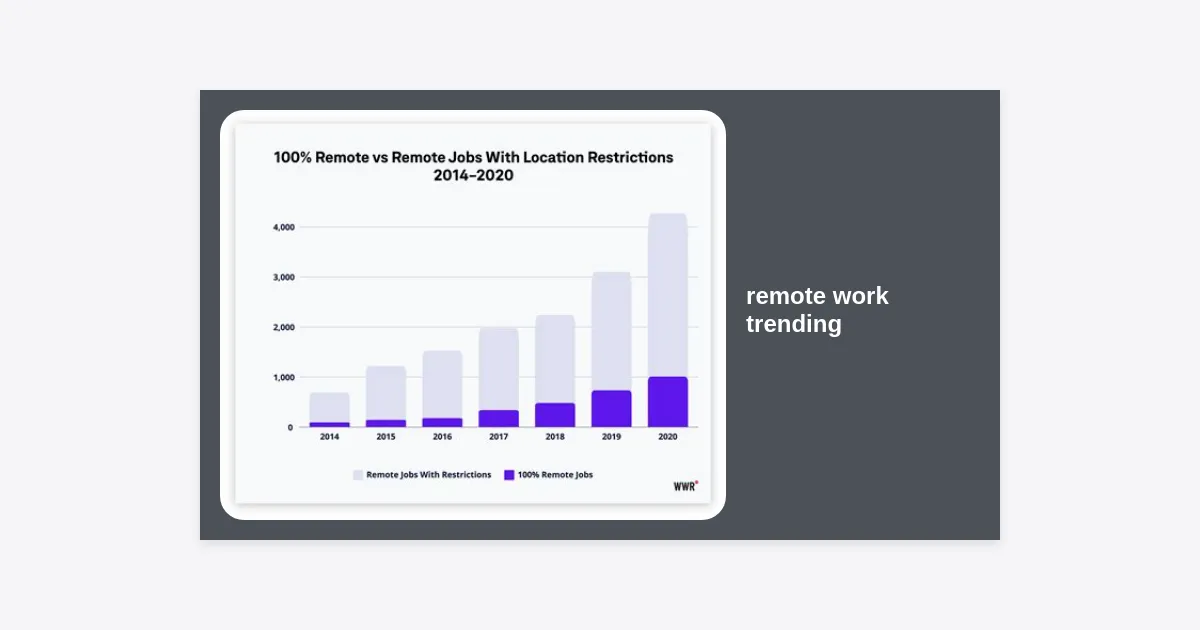
The traditional office landscape has undergone a seismic shift over the last few years, leaving many to wonder if the 9-to-5 cubicle life is gone for good. With remote work trending across every major industry from tech to finance, the way we define ‘the office’ has been permanently altered. This transition is not just a temporary reaction to global events but a fundamental change in how humans approach productivity and work-life balance.
For employees, the appeal of ditching the commute is obvious, but for employers, the benefits of a distributed team are becoming impossible to ignore. As we move further into 2024, understanding the nuances of this shift is essential for staying competitive in a rapidly evolving job market. This guide dives deep into why the remote work phenomenon is here to stay and how you can master it.
Table of Contents
- The Evolution of the Digital Workspace
- Key Statistics: The Numbers Behind the Trend
- Advantages for Employees: More Than Just Comfort
- Advantages for Employers: Cost and Talent
- Overcoming Common Remote Work Challenges
- The Essential Remote Work Tech Stack
- Actionable Steps for Remote Success
- Future Predictions: Where Do We Go From Here?
- Conclusion and Key Takeaways
The Evolution of the Digital Workspace
To understand why remote work trending is such a hot topic, we must look at where it started. Decades ago, remote work was reserved for a handful of freelancers or high-level executives who could afford the expensive technology required to stay connected. Today, high-speed internet and cloud computing have democratized the ability to work from anywhere.
The transition from synchronous office work to asynchronous digital collaboration has been the primary driver of this evolution. Companies are moving away from measuring hours spent at a desk and moving toward output-based performance metrics. This shift allows for greater autonomy and trusts the individual to manage their own schedule effectively.
Furthermore, the rise of the “digital nomad” culture has shown that productivity is not tied to a specific geographic location. Whether you are working from a home office in the suburbs or a beachfront cafe in Bali, the tools available today ensure that communication remains seamless and projects stay on track.
Key Statistics: The Numbers Behind the Trend
According to recent data from Forbes, as of 2023, approximately 12.7% of full-time employees work from home, while 28.2% work a hybrid model. This suggests that nearly 40% of the workforce has some level of remote flexibility, reinforcing the reality that remote work trending is a permanent fixture of our economy.
Moreover, a study by Upwork predicts that by 2025, 36.2 million Americans will be working remotely, an increase of 87% from pre-pandemic levels. These figures highlight a growing demand for flexibility that transcends industry boundaries. It is no longer just a perk for software engineers; it is a standard expectation for Gen Z and Millennial workers.
“Remote work is not just a trend; it is a fundamental shift in the power dynamic between employer and employee. Those who fail to adapt will lose their best talent to those who do.”
Advantages for Employees: More Than Just Comfort
The most immediate benefit of remote work for employees is the reclamation of time. The average American spends nearly an hour commuting every day, totaling hundreds of hours per year that could be spent with family, exercising, or pursuing hobbies. Reducing this commute contributes significantly to overall mental health and job satisfaction.
Financial savings are another major factor. Without the need for daily commuting, professional wardrobes, and expensive city lunches, remote workers can save thousands of dollars annually. This increase in disposable income effectively acts as a ghost raise, making remote positions more attractive even if the base salary is similar to in-office roles.
Additionally, remote work allows for a customized environment. For neurodivergent individuals or those who struggle with the sensory overload of a loud office, the ability to control their lighting, noise levels, and seating can lead to a massive boost in focus and quality of work. Personalization is the key to peak performance.
Advantages for Employers: Cost and Talent
Employers are finding that remote work trending provides a competitive edge in recruitment. When you remove geographic barriers, your talent pool expands from a 30-mile radius around your office to the entire world. This allows companies to hire the best possible candidates regardless of where they live.
Overhead costs are also drastically reduced. Large corporate offices require massive investments in rent, utilities, maintenance, and insurance. By pivoting to a remote or hybrid model, businesses can downsize their physical footprint and reinvest those savings into research, development, or employee benefits.
Retention rates tend to be higher in remote-friendly companies as well. Employees value the trust placed in them and are less likely to leave for an in-office competitor. High retention means lower turnover costs, which is a significant win for any organization’s bottom line.
Overcoming Common Remote Work Challenges
Despite the benefits, remote work is not without its hurdles. Isolation is a commonly cited issue, where employees feel disconnected from their colleagues and the company culture. Without the organic interactions of the “water cooler,” building relationships requires more intentional effort.
Burnout is another risk. When your home is your office, the lines between work and personal life can become blurred. Employees may feel the need to stay “always on,” leading to longer hours and increased stress. It is crucial for management to set clear boundaries regarding after-hours communication.
Technical issues, such as poor internet connectivity or security vulnerabilities, can also disrupt productivity. Companies must provide the necessary infrastructure and training to ensure that remote workers are equipped to handle these challenges without constant supervision.
The Essential Remote Work Tech Stack
To stay productive while remote work trending continues to dominate, you need the right tools. Here is a breakdown of the essential categories and top-performing software:
- Communication: Slack and Microsoft Teams are the industry standards for instant messaging and quick check-ins.
- Video Conferencing: Zoom and Google Meet facilitate face-to-face interaction, which is vital for maintaining a human connection.
- Project Management: Asana, Trello, and Monday.com help teams stay organized and ensure deadlines are met without micromanagement.
- Cloud Documentation: Notion and Google Workspace allow for real-time collaboration on documents and wikis.
- Security: VPNs like NordLayer and password managers like LastPass are non-negotiable for protecting sensitive company data.
Actionable Steps for Remote Success
Transitioning to a remote role requires a mindset shift. To excel, you must become your own manager. Start by creating a dedicated workspace that is separate from where you relax. This physical separation helps signal to your brain when it is time to focus and when it is time to rest.
Set a strict schedule. While flexibility is the goal, having a routine provides the structure needed to avoid procrastination. Use techniques like the Pomodoro Method (25 minutes of work followed by a 5-minute break) to maintain high levels of focus throughout the day.
Over-communicate with your team. Since you lack physical presence, keeping your status updated and providing regular progress reports is essential. This builds trust with your manager and ensures that everyone is aligned on project goals. Transparency is the antidote to micromanagement.
Future Predictions: Where Do We Go From Here?
The future of remote work trending is likely to involve more immersive technology. We are already seeing the emergence of VR (Virtual Reality) offices where teams can interact in a shared digital space. This could bridge the gap between the flexibility of remote work and the feeling of presence found in a physical office.
We can also expect to see a rise in “work-from-anywhere” hubs. These are coworking spaces designed for digital nomads that offer high-speed internet and community events in popular travel destinations. The line between vacation and work will continue to blur for those who can manage their time effectively.
Legislation will also catch up. Many countries are already introducing “Digital Nomad Visas” to attract remote workers to their shores. Expect more policies regarding remote work rights, including the “right to disconnect” and tax incentives for home office setups.
Ready to revolutionize your remote workflow?
Conclusion and Key Takeaways
In conclusion, remote work trending is far more than a passing phase; it is the blueprint for the 21st-century workforce. By embracing flexibility, investing in the right technology, and prioritizing mental health, both employers and employees can thrive in this new era. The traditional office isn’t dying; it is simply evolving into something more fluid and efficient.
Key Takeaways:
- Flexibility is King: Workers value autonomy and time-saving over almost any other perk.
- Tech is the Foundation: Successful remote work requires a robust stack of communication and security tools.
- Boundaries are Essential: To avoid burnout, clear lines must be drawn between professional and personal life.
- Talent has No Borders: Companies can now access a global workforce, leading to higher quality hires.
Whether you are a business owner looking to scale or an individual looking for a better lifestyle, the remote work revolution offers opportunities that were unimaginable a decade ago. Stay adaptable, keep learning, and embrace the freedom that comes with the modern digital workspace.